
DMS Integration
What DMS Data Do Warranty Claims Need?
A missing VIN, mileage or op code on the repair order can stop a warranty claim. The core DMS fields every claim needs and how to keep them clean.
October 22, 20269 min read
Loading…

Forge
Guides for dealership service managers and warranty administrators on getting OEM warranty claims paid: building claims that pass review the first time, fixing rejections, avoiding chargebacks and audit findings, and getting repair orders from the DMS into a clean claim. Pick a topic below or browse every post.
A missing VIN, mileage or op code on the repair order can stop a warranty claim. The core DMS fields every claim needs and how to keep them clean.

Name the wrong causal part and the OEM rejects or charges back the claim. How to find the part that caused the failure and check it against OEM rules.

When your warranty admin quits or goes on leave, claims stop and cash slows. A service manager's plan to keep repair orders filed and the money coming in.

How a fixed ops director sees warranty claims across every rooftop: which numbers to compare, where money slips between stores, and how to fix it weekly.

Why warranty pays fewer hours than your flat-rate techs flag, how actual time and punch time really work, and how to claim every hour the repair supports.

What outsourcing warranty claims costs a dealership, how an outside processor gets access, and the questions that protect your paid claims before you sign.

A debit cuts a claim before it pays; a chargeback takes back money already paid. The key differences, common causes, and how to protect your dollars.

A goodwill repair only pays if the OEM approved it first. Build the case, get the rep's approval on record and file it so it is not charged back.

Weigh the cost of warranty automation against admin time, denied claims and missed ops it recovers. A step-by-step way to find your real return.

Vague technician stories get warranty claims rejected and charged back. How managers enforce the 3 Cs, check stories before the RO closes, coach techs.

Shop supplies, sublets, freight and one-time-use parts go unclaimed on warranty repairs. How to catch every allowable add-on before the claim goes out.

A wrong labor op code means a rejected claim and a slower payment. See how automated op code selection cuts lookup time and keeps warranty dollars coming.

A denied warranty claim is not final. Read the denial code, gather the RO, tech notes and photos, and write a rebuttal that gets the OEM to pay the repair.

OEM policy manuals, labor guides and bulletins change constantly, and a missed rule costs the claim. How to keep every RO in line with current rules.

A repair done without the pre-authorization the OEM required can go unpaid. When approval is needed, what to send with the request, and how to avoid delay.

Every brand has its own portal, login and rules, and each one slows payment. How to standardize claims across OEM portals so no brand's money sits waiting.

How to stop warranty debits and chargebacks before an OEM audit: tighter 3C technician stories, a pre-submission claim review, and parts retention rules.

Filing warranty claims in your DMS module means manual entry and outdated OEM rules. How the DMS workflow works and the limits that cost you paid claims.

Warranty software connects to CDK and Reynolds through DMS modules, certified interfaces or by reading ROs. How each works and when Forge's approach fits.

A claim that cannot prove the repair is a chargeback waiting for an audit. The five parts of an auditable claim, from the 3 Cs to parts and authorization.

Paying advisors, techs and admins for speed can cost you warranty dollars. How to tie incentives to accurate claims, net dollars paid and fewer resubmits.

Catching a claim error yourself costs far less than an OEM chargeback. A weekly self-audit checklist for paid and submitted warranty claims, step by step.

Closing a repair order before the warranty claim pays can strand rental, parts and add-on dollars. Here is the timing that keeps every dollar collectible.

Five steps eat most of the time between repair and warranty payment. Where the hours go, from write-up to resubmission, and how to shorten claim-to-cash.

A sublet invoice missing the VIN or net cost is a chargeback waiting for an audit. Learn what to post, file and attach so tires, glass and towing get paid.

How warranty claim automation works: Forge reads the repair order, finds warrantable labor and parts, checks OEM rules and builds the claim to file.

Reports, custom extracts and API connectors can pull warranty data from CDK, Reynolds or Tekion. What each costs in time and when you can skip the export.

Track a few fixed ops numbers weekly and fix whatever process slips. Keep techs in their bays, parts staged and warranty claims paid first time.

Your warranty administrator turns repair orders into OEM payments. See the 4 core jobs, the tools behind them, and where claim dollars slip away.

A repair by a tech not certified for the job can be charged back even when the work was right. How certification ties to labor ops and how to track it.

A claim in suspense is earned money the OEM has not paid yet. Why claims stall, from data mismatches to missing documents, and how to clear them.
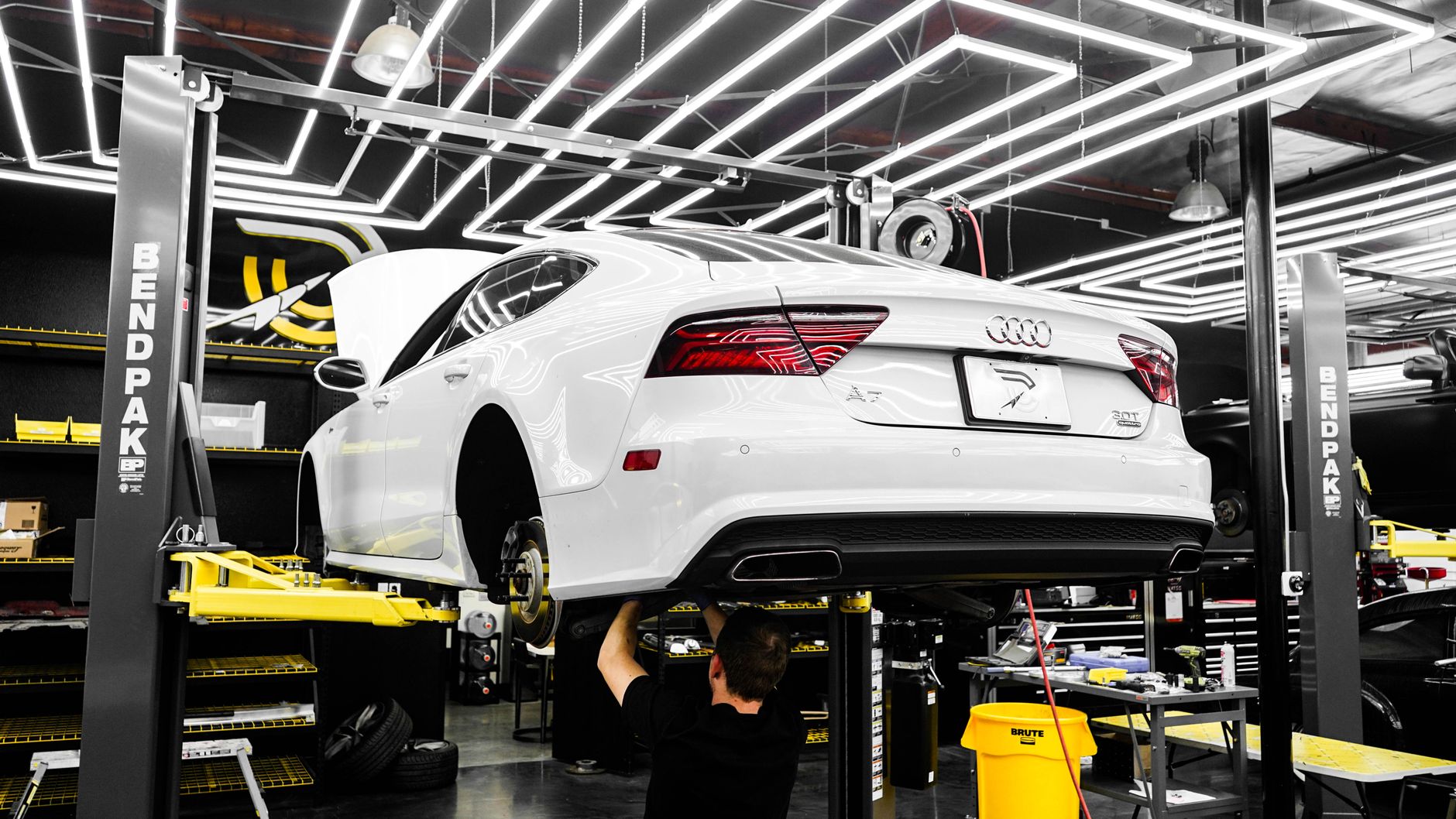
An error caught before submission costs minutes; one caught by the OEM costs the claim. Compare checklists, DMS checks and outside review for warranty ROs.

The dealership warranty claim process from repair order to payment, step by step, plus how to avoid the rejections and chargebacks that cost you money.
A poorly trained warranty admin costs you rejected claims and audit chargebacks. Start with the OEM's required courses, then policy and DMS skills.

OEMs look hard at repeat repairs and deny claims that cannot explain the second visit. How to write up and document a comeback so the claim gets paid.

Most of a warranty claim's wait happens before it is filed. What slows a claim from repair order to OEM approval, and how to get paid sooner.

Warranty software is priced per claim, per month or in tiers. What drives the cost, what matters beyond price, and how to weigh it against your claims.

When parts and warranty work apart, wrong part numbers and lost cores cost you claims. Map the workflow from RO to parts scrapping and fix each handoff.
Your warranty labor rate, parts markup and claim paperwork decide what the OEM pays. How to raise each one so every covered repair is paid in full.

Single-point stores lose warranty dollars to the same rejections as big groups. Why claim help pays off for one rooftop, with no IT project to set up.

Unpaid claims on your warranty schedule are cash the store already earned. How to reconcile the schedule against OEM payments and clear aged claims fast.

If the OEM pays less than your retail parts markup, you lose gross on every warranty repair. Prove your markup with customer-pay ROs and file for it.
Diagnostic time your techs already worked is the hardest warranty labor to get paid for. Use these 3 steps to document it so the OEM pays the full claim.

Most stores are live with Forge in under an hour after a short demo. No DMS wiring project, just a read-only user set up once, then Forge files the claims.

Weak concern, cause and correction stories are a top reason warranty claims bounce. How Forge writes each of the three Cs from the RO so claims pay faster.

AI gets pitched as a fix for every fixed ops problem. Where it actually helps, from warranty claims to parts and the service lane, and where hype ends.

A recall can swamp your service drive or fill it with paid work. How to triage the VIN list, line up parts, book customers and get every recall claim paid.
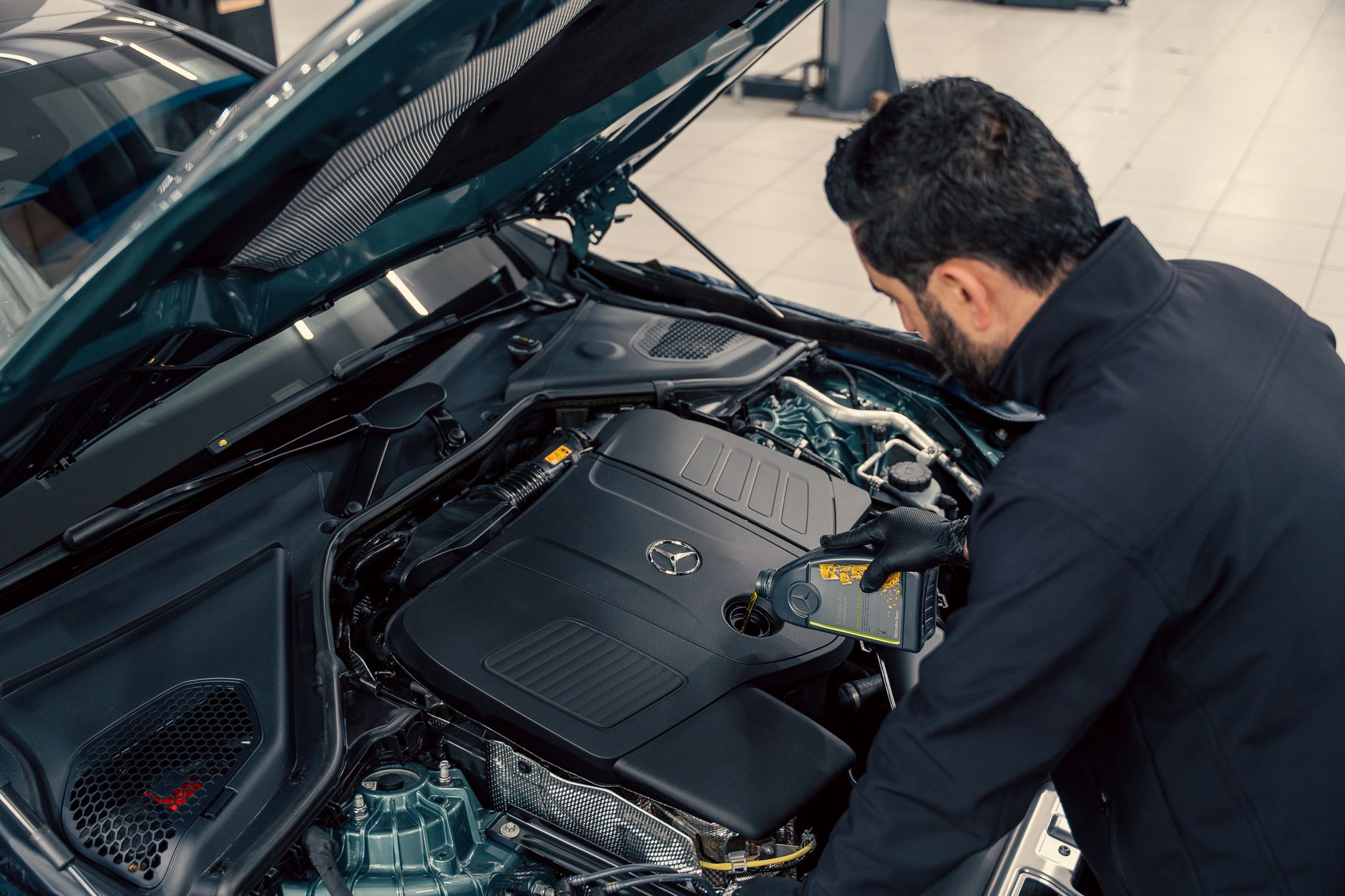
Every warranty hour paid below your retail rate costs gross profit. How to pull a qualifying RO sample, calculate your retail rate and file for more.

Without the right numbers, warranty money sits unpaid and audit risk grows unseen. The KPIs that show where your warranty claims lose money.

A lost or untagged warranty part can turn a paid claim into a chargeback. Here is the 5-step tag, store, hold, ship and scrap system that keeps the money.

An OEM warranty audit can claw back money on every weak claim. What to do first, how to review ROs like an auditor and how to contest chargebacks.

Find the bottlenecks costing your service department time with fixed ops numbers, then match the right tool to each step from write-up to warranty claim.

Every rejected warranty claim delays payment and costs time to fix. Use this 5-step framework, from write-up to submit, to get more claims paid first time.