Warranty Claims
Identifying the Causal Part for Warranty
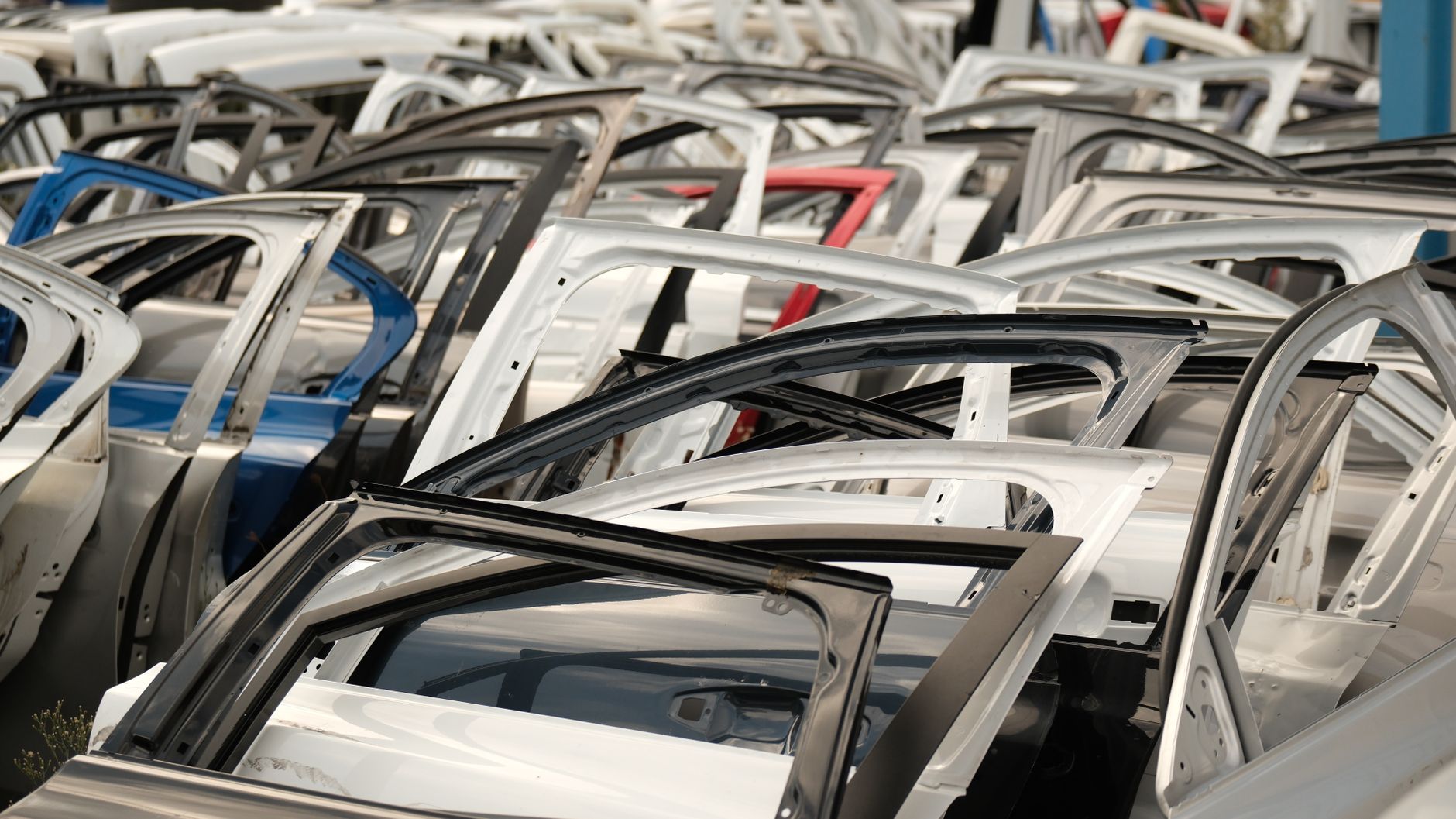
Name the wrong causal part and the OEM rejects or charges back the claim. How to find the part that caused the failure and check it against OEM rules.
October 21, 202611 min read
Loading…
Topic
A warranty claim is paid when the repair order, the labor operation, and the narrative all agree with the OEM policy manual. These posts cover how dealerships build claims that survive review: labor time, the three C's, op-code selection, filing windows, and what to do when a claim bounces.
Name the wrong causal part and the OEM rejects or charges back the claim. How to find the part that caused the failure and check it against OEM rules.
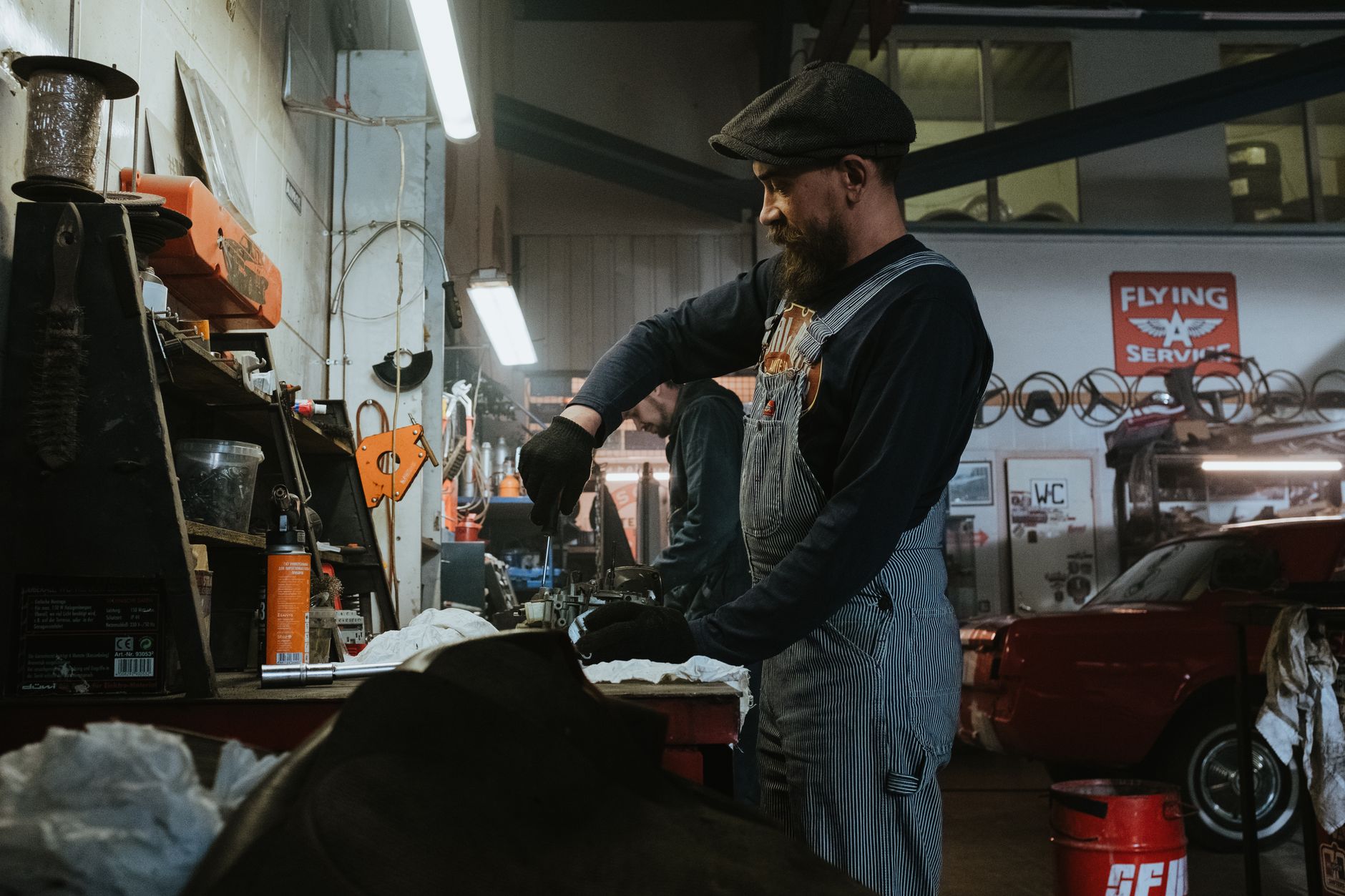
A goodwill repair only pays if the OEM approved it first. Build the case, get the rep's approval on record and file it so it is not charged back.

Closing a repair order before the warranty claim pays can strand rental, parts and add-on dollars. Here is the timing that keeps every dollar collectible.

How warranty claim automation works: Forge reads the repair order, finds warrantable labor and parts, checks OEM rules and builds the claim to file.

A claim in suspense is earned money the OEM has not paid yet. Why claims stall, from data mismatches to missing documents, and how to clear them.
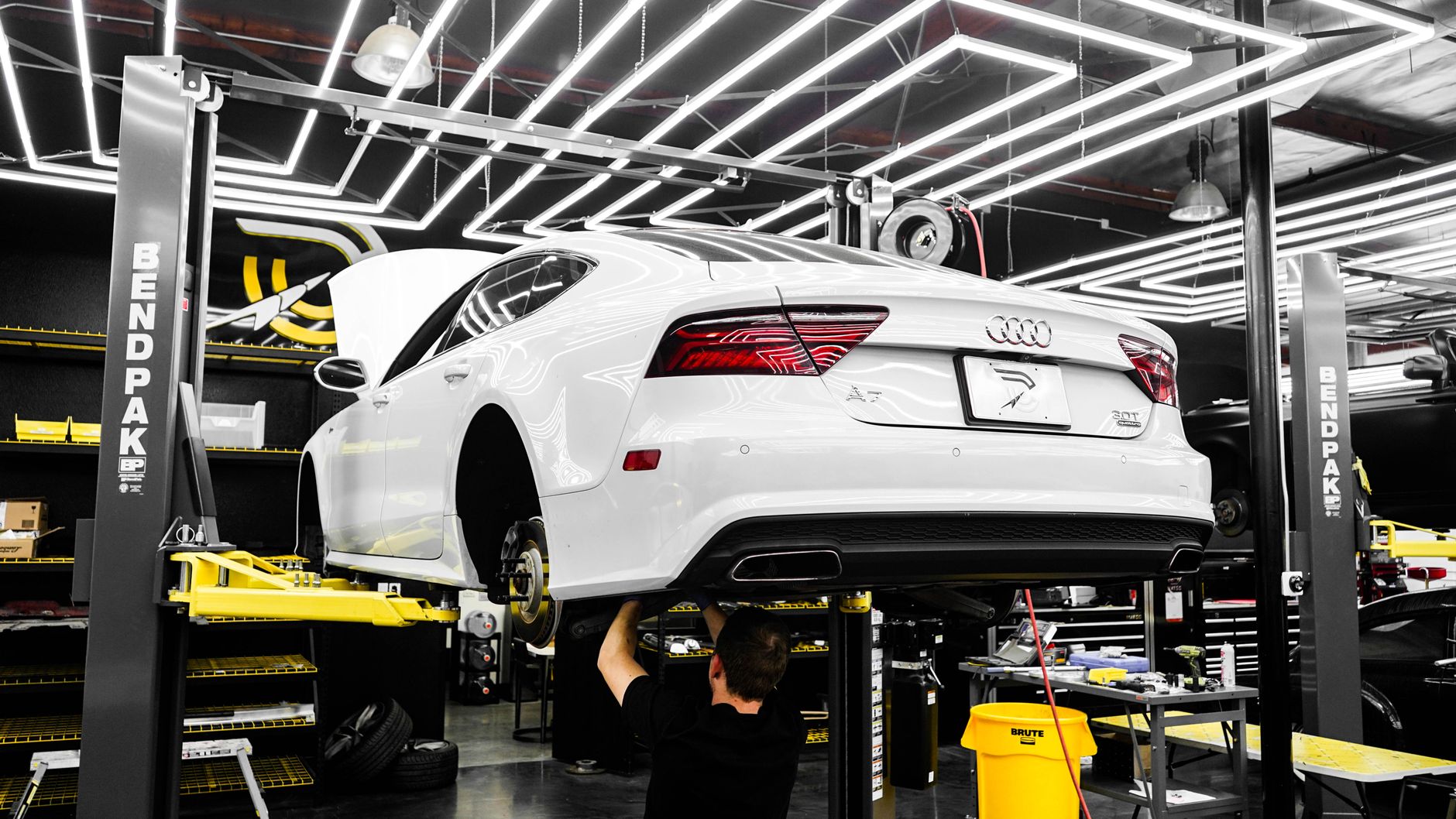
An error caught before submission costs minutes; one caught by the OEM costs the claim. Compare checklists, DMS checks and outside review for warranty ROs.

The dealership warranty claim process from repair order to payment, step by step, plus how to avoid the rejections and chargebacks that cost you money.

Most of a warranty claim's wait happens before it is filed. What slows a claim from repair order to OEM approval, and how to get paid sooner.

Unpaid claims on your warranty schedule are cash the store already earned. How to reconcile the schedule against OEM payments and clear aged claims fast.

An OEM warranty audit can claw back money on every weak claim. What to do first, how to review ROs like an auditor and how to contest chargebacks.